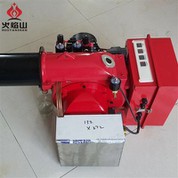
Working Principle Of Boiler Heating Burner
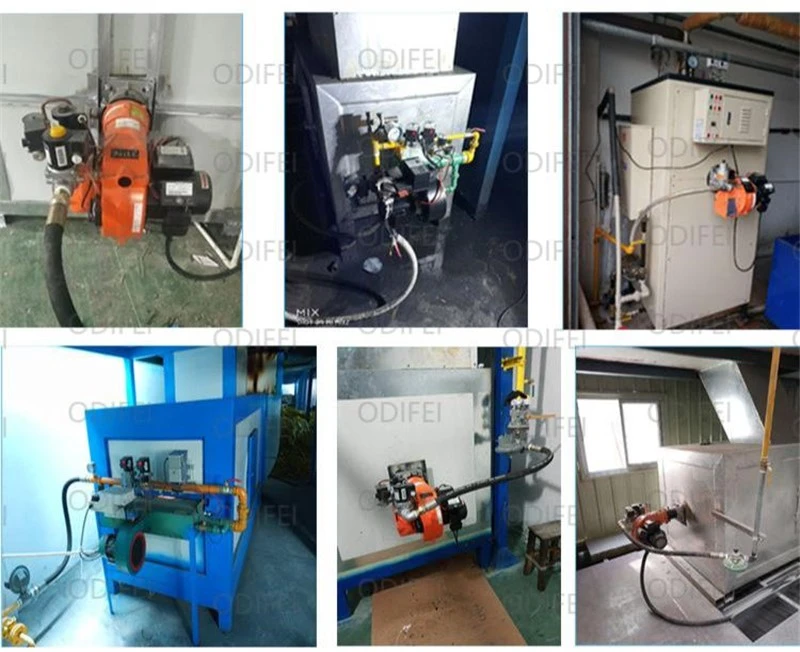
Boiler Heating Burner is widely used in cracking furnaces, waste tire pyrolysis plant, steam boilers, hot water boilers, thermal oil furnaces, coal-fired boilers, hot blast stoves, drying furnaces, kilns, ovens and other boilers that require heat sources.
Boiler Heating Burner has the characteristics of good atomization effect, convenient ignition, combustion, stable flame, strong rigidity, no coking, no clogging, and long service life. It can burn light oil, heavy diesel oil, heavy oil, residual oil, tar, asphalt, olivine oil and other liquid fuels. Liquid mist particles (SMD<40 microns) with uniform size distribution (size distribution index N>2). The fuel atomization effect is basically not affected by the fuel viscosity. The size of the oil hole and the size of the air hole of the nozzle are large, and it is not easy to be blocked and coked. The atomization consumes less air and consumes less energy. Flame length, flame cone angle and flame shape can be designed according to user requirements. The flame stiffness is strong and the flame jet speed is high. Realize direct ignition and combustion of heavy residual oil in cold state. The flow adjustment range is more than 1:4. The average fuel saving rate of burning heavy residual oil is more than 8%, and the average fuel saving rate of burning diesel oil is more than 4% (relative to the old burner)

Composition System
Ignition System: Includes a pilot light or electronic ignition to start the combustion process.
Air Supply: Delivers the necessary oxygen for combustion, often controlled by fans or blowers.
Nozzle: Atomizes liquid fuel in oil burners for efficient burning.
Control System: Regulates the burner operation based on temperature and pressure settings, ensuring efficient and safe performance.
Features
1. The fuel is fully atomized and the energy consumption is low.
2. Use fuel oil (bio-oil, heavy oil, diesel oil, alcohol-based fuel, etc.) as fuel, which is clean and environmentally friendly.
3. High combustion efficiency, gasification combustion method and multi-stage air distribution design, the combustion efficiency is as high as 98% or more.
4. High heating temperature.
5. Simple operation: automatic ignition, temperature control, no need for manual work
6. Wide range of applications: suitable for all kinds of life and industrial boilers
Technical Parameter
|
Model |
ODF-30 |
ODF-40 |
ODF-60 |
ODF-80 |
|
Fuel |
Methanol, light diesel oil, kerosene and other liquid fuels (heavy oil and waste oil fuels require heavy oil burners) |
|||
|
Air Pressure(MPa) |
0.3 |
|
|
|
|
Size (mm) |
630*650*380 |
1000*740*430 |
1030*740*430 |
1270*850*500 |
|
Protection class(IP) |
45(The protection level can be increased according to the order requirements) |
|||
|
Air volume adjustment method |
Manual damper adjustment |
Automatic damper adjustment |
||
Application Range
Residential Heating: Provides heat for homes via radiators or underfloor heating systems.
Industrial Processes: Used in manufacturing processes that require steam or hot water.
In summary, a boiler heating burner is essential for converting fuel into heat, enabling various heating applications in residential, commercial, and industrial settings.
Maintenance
Maintaining a boiler heating burner is crucial for ensuring safety, efficiency, and longevity. Here are key maintenance tasks:
1. Regular Inspections
Visual Checks: Inspect for signs of wear, corrosion, or leaks.
Flame Inspection: Ensure the flame is steady and blue, indicating proper combustion.
2. Cleaning
Burner Assembly: Clean the burner components to remove soot, dust, and debris. This helps maintain efficient combustion.
Nozzle Cleaning: For oil burners, clean or replace the nozzle to prevent clogs.
3. Air and Fuel Adjustments
Air-Fuel Ratio: Check and adjust the air-fuel mixture to ensure efficient burning and reduce emissions.
Pressure Settings: Verify and adjust gas or oil pressure settings according to manufacturer specifications.
4. Safety Device Checks
Flame Sensors: Test and clean flame sensors to ensure they are functioning properly.
Safety Controls: Inspect safety controls and interlocks to ensure they activate correctly in emergencies.
5. Thermostat and Controls
Calibration: Regularly calibrate thermostats and control systems to ensure accurate temperature readings.
Functionality Tests: Test the operation of the control panel and any automation systems.
6. Ventilation Inspection
Flue and Vent Systems: Inspect and clean flue pipes and ventilation systems to ensure proper exhaust of combustion gases.
Blockage Checks: Look for any obstructions that could impede airflow.
7. Professional Servicing
Annual Maintenance: Schedule a professional inspection and service at least once a year to address any potential issues and perform comprehensive cleaning.
Repairs: Promptly address any identified issues, such as faulty components or signs of wear.
Precautions
1. Fuel oil storage conditions: thermal insulation
2. Pipeline transportation conditions: filtration, heat preservation, to ensure the fluidity of heavy oil
3. Preheat before entering the machine: ensure the fluidity of heavy oil
4. Insulation of combustion oil circuit: to ensure the fluidity of heavy oil
Instructions For Use
Open the main control valve, start air supply, start the control button, open the second-stage valves in sequence, and check the pressure switch, if the valve group is normal. If there is no leakage point, the fan starts, the air door is fully opened, and the front purging is carried out. After the purging is completed, the air door is automatically closed, and the air supply valve of the first stage is opened, and the air supply is started, and the air regulating valve of the first stage is manually adjusted. The opening degree is from small to large, the ignition needle is ignited, and a period of combustion (constant bright). After the fire detection needle detects the ignition signal, the second-stage valve opens the air supply, and the opening of the air valve increases. Air supply to the second stage. The blast furnace gas burner starts working.
When there is a problem in the leak detection or there is no signal in the fire inspection, the blast furnace gas burner will automatically alarm. The air supply valve is closed at the same time, and the air door is fully opened for purging. The system automatically shuts down after purging. Blast furnace gas burner for troubleshooting. After troubleshooting, reboot.
Warehouse
Maintenance Of The Burner
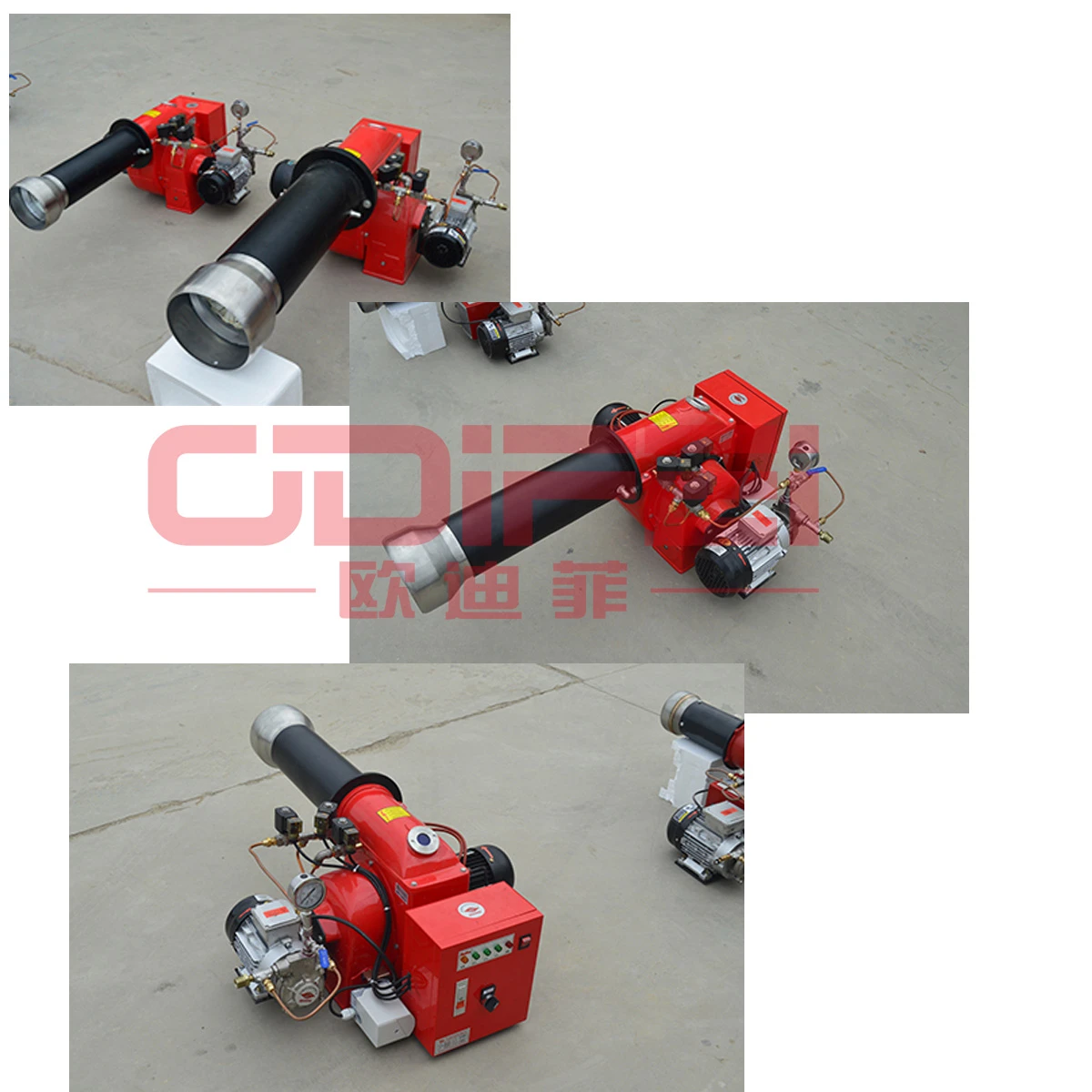
The burner does not require special maintenance, but the following should always be done:
1. Cut off the power supply, remove the electric eye, and wipe it with a clean dry cloth.
2. Remove the fuel injector and carefully clean it with gasoline or trichloroethylene. Note that only wood and plastic tools can be used, not metal tools. After 2000 hours of normal operation, the fuel injector should be replaced.
3. Carefully clean the oil filter on the fuel injector.
4. Remove the cyclone, remove the soot on the cyclone and in the combustion head, and make the air flow channel unobstructed.
5. Carefully clean the electrodes, scrape off the ash and carbon deposits, and correct the position and distance between the two electrodes.
6. Carefully clean the filter in the oil pump.
7. Clean the oil filter and the oil tank. If the filter screen is found to be damaged, it should be replaced in time. If there are many deposits in the oil tank, it should be cleaned.
8. If necessary, clean the flue of the boiler and chimney.
Note: The casing of the burner cannot be cleaned with organic solvents (such as: alcohol, acetone, banana water), but only with a mixture of water and detergent. Qiku should always pay attention to the oil level in the oil tank, and it is not allowed to lower to the specified position, so as not to damage the oil pump.
Hot Tags: boiler heating burner, China boiler heating burner manufacturers, suppliers, factory