


Brief Introduction to Waste Rubber Cracking Equipment
Waste rubber cracking equipment is an industrial system that breaks down the long-chain polymer structures of waste rubber (primarily scrap tires) into smaller molecules through heating in an oxygen-free or oxygen-deprived environment, thereby producing fuel oil, carbon black, steel wire, and combustible gas.
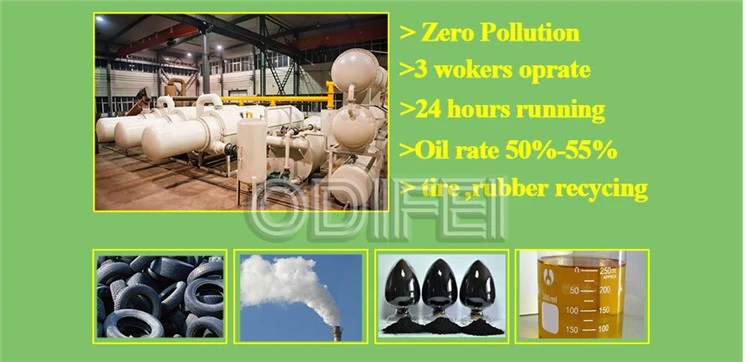
Working Principle and Process Flow
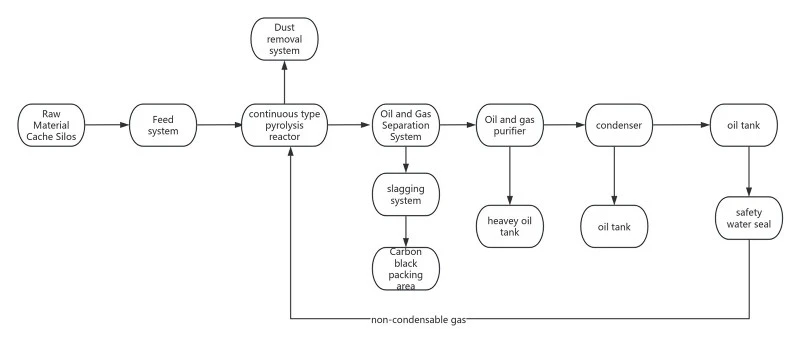
The core reaction temperature for waste rubber pyrolysis typically ranges from 300°C to 450°C. The complete process of Waste Rubber Cracking Equipment is as follows:
Pre-treatment
Waste tires first undergo wire extraction to remove the thick steel wires from the bead, followed by shredding into small pieces (a requirement for continuous processing equipment); magnetic separation is then used to remove any residual steel wire. Fine rubber particles facilitate better heat transfer.
Pyrolysis Reaction
Rubber pieces are heated in the pyrolysis reactor, causing the long rubber polymer chains to break down. The products are:
Oil vapor/gas
Solid carbon black residue
Non-condensable combustible gas
Oil Vapor Condensation
After passing through a buffer and dust removal system, the oil vapor enters a condenser, where it cools into liquid pyrolysis oil (tire oil) and is collected in storage tanks.
Non-condensable Gas Recovery
Combustible gases that cannot be condensed are purified and fed directly into the furnace for combustion, providing the thermal energy required for the pyrolysis reaction and enabling self-sustaining operation.
Residue Discharge and Separation
Carbon residue is cooled by a water-cooled, sealed discharge unit and then collected for storage.
Main classifications of equipment
| type | Intermittent-type | Semi-continuous | Continuous-type |
| Feed/Slag Discharge | After loading, seal and heat; open the furnace and remove slag after it has cooled. | High-temperature slag discharge is possible, but feeding requires waiting or batch processing. | Continuous feeding and slag discharge, 24 hours a day without interruption. |
| Processing capacity / Throughput | Low; daily output of a few tons. | Medium-scale; daily output of around ten tons. | High-a daily output of 15–50 tons or even more. |
| Environmental Protection and Safety | Opening the furnace makes it prone to leakage, posing a relatively high safety risk. | Improved airtightness, though intermittent gaps remain. | Fully sealed with slight negative pressure; safe, eco-friendly, and easily compliant with standards. |
| Energy consumption | Repeatedly raising and lowering the temperature consumes a vast amount of energy. | There has been improvement, but the level remains high. | Fully utilizes waste heat, is self-powered, and features extremely low operating costs. |
Currently, continuous, fully continuous Waste Rubber Cracking Equipment represents the mainstream in industrial applications.
The Advantages of the continuous Waste Rubber Cracking Equipment
1. Compared with traditional batch operating plants, our auto-continuous operating rubber pyrolysis oil plants have relatively larger processing capacities of 30-50mt per day.
2. The fully continuous rubber pyrolysis machine can achieve automatic feeding of materials and automatic discharging of slags, and can also finish the two steps at the same time, which not only saves time, but also saves fuel.
3. The reactor of our auto-operating rubber pyrolysis plant is stable and not rotary, which makes the temperature rise and the pyrolysis react quickly. This special design makes the whole rubber pyrolysis process efficient and can also save much heating material.
4. The rubber pyrolysis oil plant is equipped with safety devices (alarm for over-temperature and pressure, auto pressure releasing system, extra gas recycling system, fire fighting devices) and an advanced dedusting system (water washing, water spray, ceramic ring adsorption and activated carbon adsorption), which will guarantee safety and no pollution in production.
5. The fully continuous operating waste rubber pyrolysis machine can run for 24 hours a day without a stop and doesn't need to be cooled before the second batch.
6. Our fully continuous pyrolysis plant adopts a new type of condenser which has a larger cooling area and better cooling effect. In addition, we can provide a special catalyst, which is made from 24 chemicals. The catalyst can not only reduce sulfur content and density of oil, but also improve its flavor and color.
Specification of the continuous Waste Rubber Cracking Equipment
|
Model |
JZLXLY-50T |
|
Daily Capacity |
50T |
|
Working Method |
Fully Continuous |
|
Raw Materials |
Waste Tyre, Rubber, Plastic, Oil Sludge |
|
Reactor Size |
D2800*L15000mm |
|
Pattern |
Horizontal & Rotary |
|
Heating Materials |
Fuel Oil, Natural Gas, LPG, etc. |
|
Total Power |
60kw/h |
|
Floor Area (L*W*H) |
60*6*7.5m |
|
Operating Pressure |
Constant Pressure |
|
Cooling Method |
Water Cooling |
|
Life Span |
5-8 Years |
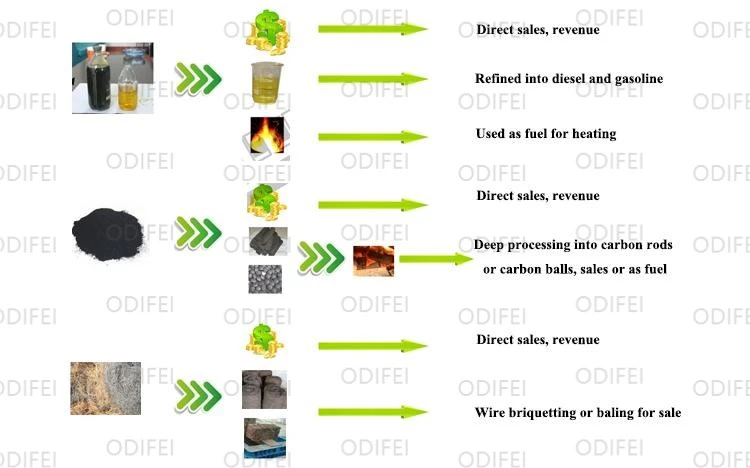
Finished Application
|
End Products |
Proportion |
Applications |
|
Fuel oil |
45% |
1. Sell directly |
|
Carbon Black |
35% |
1. Sell directly |
|
Steel Wire |
12% |
1. Sell directly |
|
Combustible Gas |
8% |
Alternative fuel to heat the furnace |
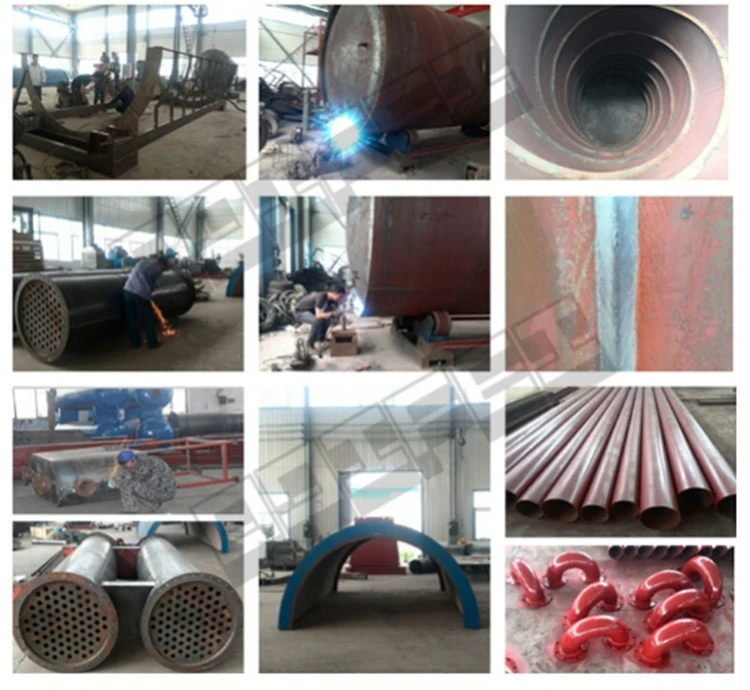
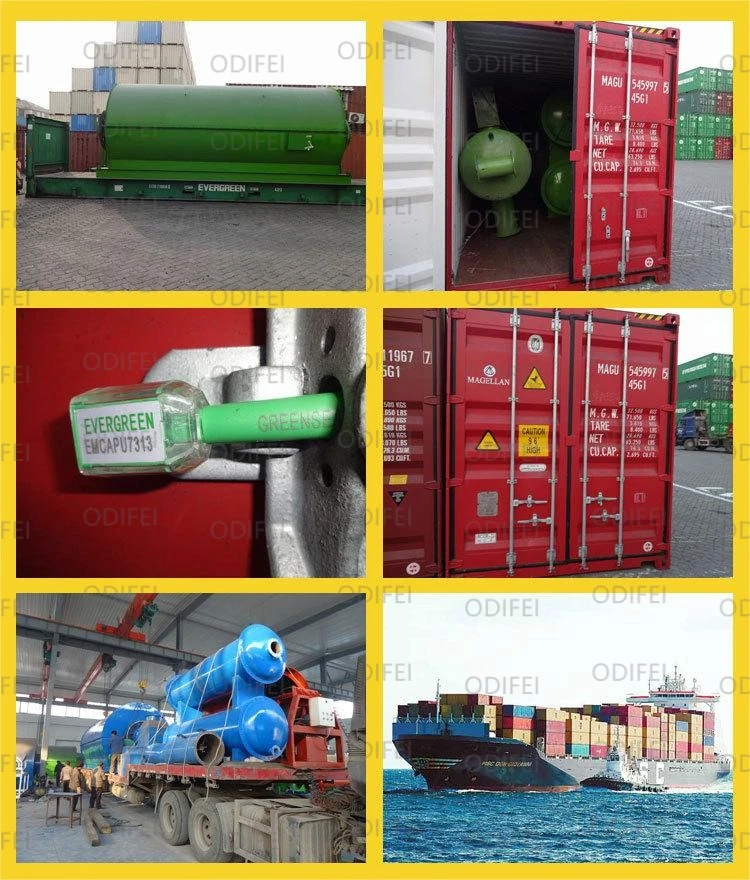
Workshop Showing
Customer Factory

Shipping
About our company
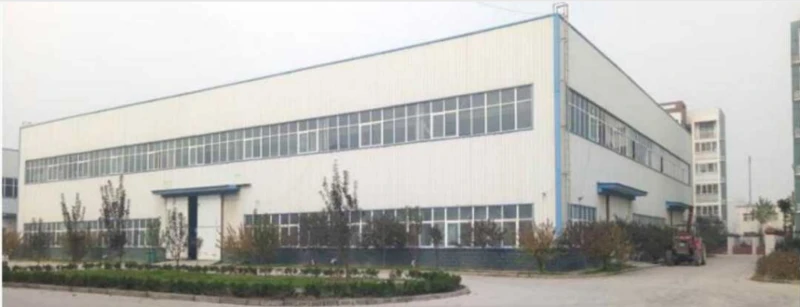
Located in Xinxiang City, Henan Province, China, Xinxiang Jinzhen Machinery Equipment Co., Ltd. has specialized in the manufacturing of pyrolysis equipment (for converting waste tires and plastics into oil) and distillation equipment (for converting waste oil into diesel) since 2007.
With over 19 years of industry experience, Jinzhen has exported its equipment to numerous countries worldwide, earning high praise and positive feedback from global customers.
Jinzhen's strength lies in its professional R&D and technical service team, which comprises more than ten experienced engineers. The company holds multiple invention patents and has obtained SGS, ISO 9001, and ISO 14001 certifications, ensuring that every product delivered meets quality, safety, and environmental standards.
Key products include batch, semi-continuous, and fully continuous pyrolysis machines for recycling tires, plastics, oil sludge, and biomass, as well as waste oil distillation units designed to convert waste engine oil, pyrolysis oil, and crude oil into diesel.
Hot Tags: waste rubber cracking equipment, China waste rubber cracking equipment manufacturers, suppliers, factory


