


Hey there! As a supplier of biomass burners, I've seen firsthand how crucial it is to handle different moisture levels in biomass effectively. Biomass, being a renewable energy source, has gained significant popularity in recent years. But let's be real, dealing with its varying moisture content can be a bit of a headache. In this blog, I'll share some insights on how our biomass burners tackle this challenge.
The Impact of Moisture in Biomass
First things first, let's talk about why moisture in biomass matters. When we use biomass as a fuel in a burner, the moisture content can have a huge impact on the combustion process. Moisture acts like a sponge, absorbing heat that could otherwise be used for burning. So, if the biomass has a high moisture level, it takes more energy to evaporate the water before the actual combustion can start. This means less efficient burning, lower heat output, and potentially more emissions.
On the other hand, if the moisture level is too low, the biomass can become too dry and brittle. This can lead to issues like dust formation and uneven burning. So, finding the right balance is key.

How Our Biomass Burners Adapt to Different Moisture Levels
Pre - Drying Mechanisms
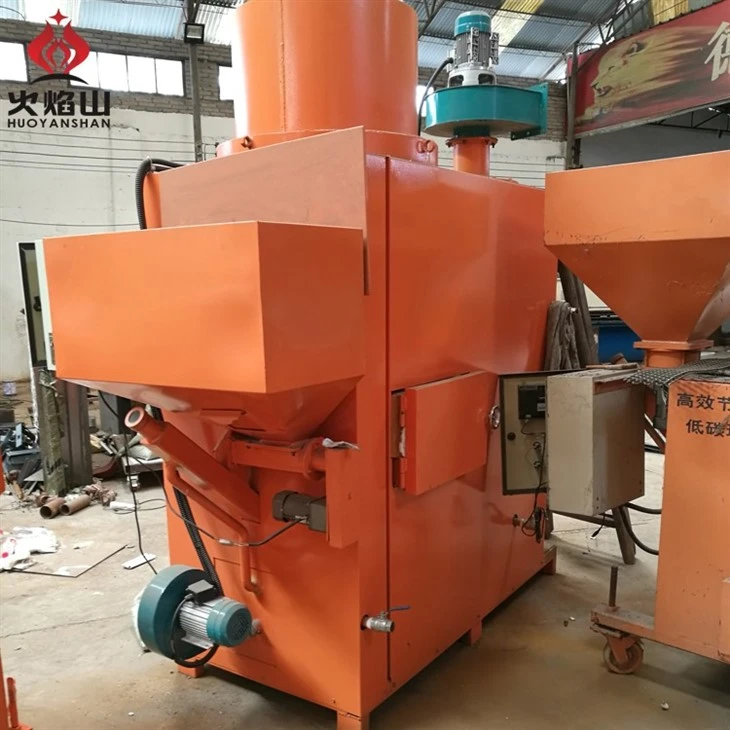
Our biomass burners are equipped with pre - drying mechanisms. These are like little helpers that start the process of removing excess moisture even before the biomass enters the main combustion chamber. For example, we use hot air circulation systems. The hot air is directed towards the incoming biomass, gently heating it up and causing the water to evaporate. This pre - drying step ensures that the biomass is in a better state for combustion, regardless of its initial moisture level.
Adjustable Airflow
Another way our burners handle moisture is through adjustable airflow. In cases where the biomass has a high moisture content, we can increase the airflow rate. More air means more oxygen, which helps in two ways. First, it aids in the evaporation of water from the biomass. Second, once the water is evaporated, more oxygen is available for efficient combustion. Conversely, when the biomass is dry, we can reduce the airflow to prevent over - combustion and heat loss.
Temperature Regulation
We've also designed our burners to regulate temperature effectively based on the moisture content. When dealing with moist biomass, the burner can adjust its temperature to a higher setting initially. This extra heat is used to evaporate the water quickly. Once the moisture is removed, the temperature can be adjusted back to an optimal level for normal combustion. Our temperature sensors continuously monitor the conditions inside the burner and make these adjustments in real - time.
Different Types of Biomass and Their Moisture Challenges
There are various types of biomass fuel, and each comes with its own moisture - related challenges. Let's take a look at some common ones.
Wood Chips
Wood chips are a popular biomass fuel. They can have a wide range of moisture levels, depending on factors like how they were stored and the type of wood. Freshly cut wood chips can have a moisture content of up to 50% or more. Our biomass burners can handle these high - moisture wood chips thanks to the pre - drying and adjustable features I mentioned earlier.
Agricultural Residues
Agricultural residues like straw and corn cobs also vary in moisture content. They can be quite moist, especially if they are harvested during wet seasons. These residues often have a lot of organic matter, and the moisture can make them difficult to burn. Our burners are designed to break down these complex materials and deal with the moisture effectively.
Pellets
Pellets, such as Industrial Pellet Burner, Bio Pellet Burner, and Wood Pellet Burner, are generally drier compared to other forms of biomass. They usually have a moisture content of around 8 - 12%. But even with pellets, there can be some variation. Our burners can still adapt to these small differences in moisture to ensure consistent and efficient combustion.
Benefits of Using Our Biomass Burners for Varying Moisture Biomass
Efficiency
By effectively handling different moisture levels, our burners ensure high - efficiency combustion. This means you get more heat output from the same amount of biomass. You'll save on fuel costs in the long run because you're using the biomass as efficiently as possible.
Reduced Emissions
When the biomass burns efficiently, there are fewer emissions. High - moisture biomass can produce more particulate matter and harmful gases if not burned properly. Our burners' ability to deal with moisture helps in minimizing these emissions, making them more environmentally friendly.
Reliability
You can rely on our burners to work consistently, regardless of the moisture content of your biomass. Whether you have wet wood chips one day and dry pellets the next, our burners will adjust and keep performing optimally.
Conclusion and Call to Action
In conclusion, dealing with different moisture levels in biomass is a crucial aspect of biomass burner operation. Our biomass burners are specifically designed to handle these challenges, offering efficiency, reduced emissions, and reliability.
If you're in the market for a biomass burner that can handle varying moisture levels in biomass, we'd love to hear from you. Whether you're a small - scale user or an industrial client, we have the right solution for you. Reach out to us for a quote or to discuss your specific requirements. Let's start this energy - efficient journey together!
References
- Smith, J. (2020). Biomass Combustion: Principles and Applications. Energy Press.
- Brown, L. (2019). Moisture Effects on Biomass Fuel. Renewable Energy Journal.
