


As a supplier of Methanol Burners, I understand the importance of optimizing fuel usage. Not only does it save costs for our customers but also contributes to environmental sustainability. In this blog, I'll share some effective strategies to help you get the most out of your methanol burner and reduce unnecessary fuel consumption.
Understanding Methanol Burners
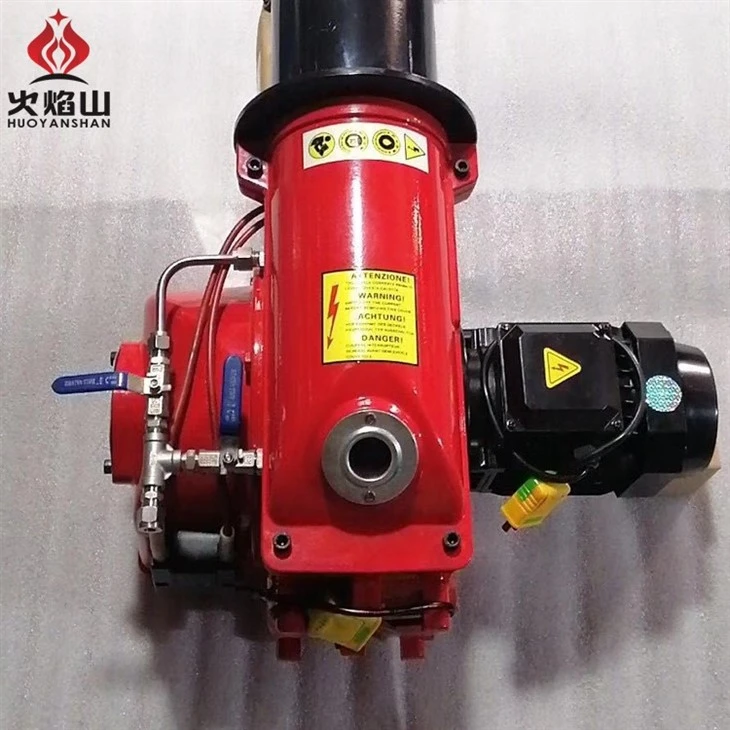
Before we dive into optimization techniques, it's essential to understand how methanol burners work. Methanol is a clean - burning fuel that can be used in various industrial and commercial applications. Our burners are designed to efficiently mix methanol with air and ignite it to produce a stable flame. The combustion process is crucial, as an improper combustion can lead to increased fuel consumption and emissions.
The efficiency of a methanol burner depends on several factors, including the quality of the fuel, the design of the burner, and the operating conditions. For instance, a burner with a well - designed combustion chamber can ensure better mixing of fuel and air, leading to more complete combustion.
Quality of Methanol
The quality of methanol used in the burner is a significant factor in fuel optimization. High - quality methanol contains fewer impurities, which burn more efficiently and produce less residue. Impurities in the fuel can cause incomplete combustion, leading to wasted fuel and increased maintenance requirements.
When sourcing methanol, it's important to choose a reliable supplier. Look for methanol that meets the relevant industry standards. Regularly test the methanol to ensure its quality. Quality testing can include checks for purity, moisture content, and the presence of contaminants. If the methanol has a high moisture content, it can absorb heat during combustion, reducing the burner's efficiency.
Proper Burner Maintenance
Regular maintenance is key to optimizing fuel usage in a methanol burner. Over time, burners can accumulate dirt, soot, and other deposits. These deposits can block the fuel nozzles, air inlets, and other crucial components of the burner, affecting the proper mixing of fuel and air.
Here are some maintenance tasks that should be performed regularly:
- Clean the Nozzles: The fuel nozzles are responsible for spraying the methanol into the combustion chamber. If they are clogged, the fuel may not be distributed evenly, leading to inefficient combustion. Use a suitable cleaning agent to remove any deposits from the nozzles.
- Inspect the Air Inlets: Ensure that the air inlets are clear of debris. Restricted air intake can cause an imbalance in the fuel - to - air ratio, resulting in incomplete combustion.
- Check the Ignition System: A faulty ignition system can lead to multiple attempts to start the burner, wasting fuel in the process. Regularly test the ignition system and replace any worn - out components.
- Calibrate the Burner: Periodically calibrate the burner to ensure that it is operating at the correct fuel - to - air ratio. This will help achieve the most efficient combustion possible.
Optimizing the Fuel - to - Air Ratio
The fuel - to - air ratio is one of the most critical factors in optimizing fuel usage. For methanol burners, the ideal fuel - to - air ratio ensures complete combustion, where all the fuel is burned, and the maximum amount of heat is released.
If there is too much fuel relative to the amount of air, incomplete combustion occurs. This results in the formation of carbon monoxide and unburned fuel, which not only wastes fuel but also poses a safety hazard. On the other hand, if there is too much air, the excess air will absorb heat, reducing the burner's efficiency.
Modern methanol burners are often equipped with sensors and control systems that can adjust the fuel - to - air ratio automatically. However, it's still important to monitor these systems regularly. Manual calibration may also be required from time to time, especially if the burner has been serviced or if there are changes in the operating conditions.
Advanced Burner Technologies
In recent years, there have been significant advancements in burner technologies that can help optimize fuel usage. For example, some of our Industrial Gas Burner models are designed with advanced combustion chambers and mixing mechanisms. These features ensure a more uniform distribution of fuel and air, leading to more efficient combustion.
Another technology is the use of pre - heating systems. Pre - heating the methanol before it enters the burner can improve its vaporization and combustion characteristics. This allows for more complete combustion and can result in significant fuel savings. Additionally, some burners are equipped with energy - recovery systems that capture and reuse the heat from the exhaust gases. This reduces the overall energy requirements of the burner and improves its efficiency.
Monitoring and Control Systems
Installing monitoring and control systems is an effective way to optimize fuel usage. These systems can continuously monitor various parameters such as the fuel flow rate, air flow rate, temperature, and pressure. Based on the data collected, the system can make real - time adjustments to the burner's operation.
For example, if the system detects that the combustion temperature is too low, it can increase the fuel flow rate or adjust the air intake to improve combustion. Similarly, if the system notices that the exhaust gases contain a high level of carbon monoxide, it can adjust the fuel - to - air ratio to ensure more complete combustion.
Remote monitoring capabilities are also available in some systems. This allows operators to monitor and control the burner from a distance, which is especially useful for large - scale industrial applications.
Training for Operators
Proper training for operators is essential for optimizing fuel usage. Operators should be familiar with the burner's operation, maintenance requirements, and safety procedures. They should know how to read the monitoring systems and make appropriate adjustments when necessary.
We offer training programs for our customers' operators. These programs cover topics such as burner operation, maintenance, and troubleshooting. By ensuring that operators are well - trained, we can help our customers achieve the maximum efficiency from their methanol burners.
Comparison with Other Burners
When it comes to fuel efficiency, methanol burners have several advantages over other types of burners. For example, compared to Light Fuel Oil Burner, methanol is a cleaner - burning fuel, which means less pollution and potentially lower fuel costs. Methanol also has a higher octane rating, which allows for more efficient combustion.
In contrast to Industrial Waste Gas Burners, methanol is a more stable fuel source. The composition of industrial waste gas can vary significantly, which can make it challenging to achieve consistent combustion and optimization. Methanol burners offer a more reliable and controllable option for many applications.

Conclusion
Optimizing the fuel usage of a methanol burner is a multi - faceted process that involves using high - quality fuel, performing regular maintenance, optimizing the fuel - to - air ratio, and leveraging advanced technologies and monitoring systems. By implementing these strategies, our customers can not only save on fuel costs but also contribute to a more sustainable environment.
If you're interested in learning more about our methanol burners or discussing how to optimize the fuel usage of your existing burners, we invite you to contact us for a detailed discussion. Our team of experts is ready to assist you in finding the best solutions for your specific needs.
References
- "Combustion Technology Handbook", CRC Press
- "Industrial Burner Technology", Elsevier
- Technical reports from methanol and burner manufacturers
