


Hey there! As a supplier of methanol burners, I often get asked if a methanol burner can be used for glassblowing. It's a really interesting question, and in this blog post, I'm going to dig deep into it.
First off, let's talk a bit about glassblowing. Glassblowing is an ancient and fascinating art form. To shape glass, you need to heat it up to a really high temperature—usually somewhere between 1000°C to 1600°C, depending on the type of glass. At these super-high temps, the glass becomes soft and malleable, kind of like thick, sticky liquid, which allows artisans to blow it into different shapes and create all sorts of amazing glass products, from delicate vases to intricate sculptures.
Now, let's look at methanol burners. Methanol is a type of alcohol that can be used as a fuel. The combustion of methanol releases heat energy, which makes it a viable option for heating in various applications. Methanol burners are designed to efficiently burn methanol and convert its chemical energy into heat.
One of the key advantages of using a methanol burner for glassblowing is its relatively clean burn. Methanol produces fewer pollutants compared to some other fuels, like coal or heavy oils. This means less soot and other unwanted by - products getting into the glass, which can be crucial for achieving high - quality, clear glass pieces. Also, it's a more environmentally friendly option. As more and more people are becoming conscious about the environment, using a cleaner - burning fuel is definitely a plus.
Another factor is the control. Methanol burners can offer good control over the heat output. You can adjust the flow rate of methanol, which directly affects the intensity of the flame. For glassblowers, this level of control is super important. When you're working on a detailed glass piece, you might need to gently heat a small area one moment and then apply more intense heat to another part. The ability to precisely control the heat means you have more flexibility in your creative process.
However, there are some challenges too. One big challenge is the heat output. While methanol burners can get really hot, reaching the extremely high temperatures required for glassblowing might be a bit of a struggle. Some specialized glassblowing operations demand very high - intensity heat sources, and a standard methanol burner might not be able to generate enough heat fast enough.
Also, the flame characteristics matter. The shape and stability of the flame are critical in glassblowing. If the flame is too erratic or doesn't have the right shape, it can make it difficult to heat the glass evenly. Methanol flames tend to be a bit more elongated and less concentrated compared to some other fuel flames, which could pose a problem for some glassblowing techniques.
But don't worry! There are solutions to these challenges. With advancements in burner technology, we've developed some high - performance methanol burners that can reach higher temperatures and have better flame control. For example, our Low Nox Burner is designed to be more efficient and produce a more stable and intense flame. It's been optimized for applications that require high - temperature heating, making it a great option for glassblowing.
Our Industrial Gas Burner is another great choice. It can handle the demanding requirements of industrial - scale glassblowing operations. It has a robust design and advanced control systems to ensure a consistent flame and a reliable heat output.
And then there's our Low Nitrogen Burner. Not only does it address the need for high - temperature heating, but it also reduces nitrogen oxide emissions. This is not only good for the environment but also helps glassblowers meet the increasing strict environmental regulations.

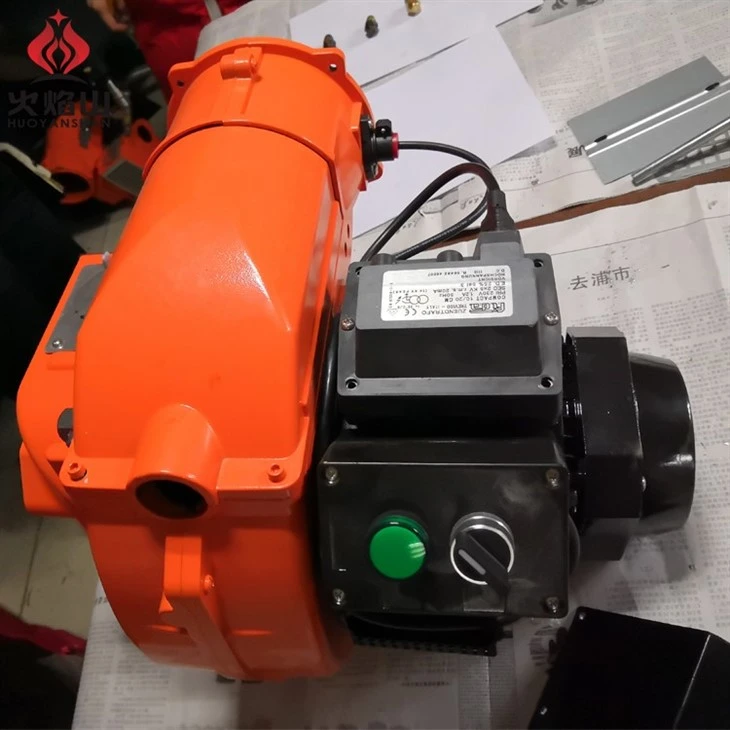
In real - world applications, many glassblowers have started to experiment with methanol burners. Some small - scale artists find that methanol burners are a cost - effective and portable option. They can set up their workspace in a relatively small area and still achieve good results. On the other hand, larger glassblowing factories are also taking a look at methanol burners as a way to reduce their environmental impact while maintaining productivity.
So, to answer the question—yes, a methanol burner can be used for glassblowing. But it depends on the specific needs of the glassblowing process. If you're looking for a clean - burning, controllable, and potentially more environmentally friendly option, a methanol burner could be a great fit. And with our range of specialized burners, we're confident that we can meet the different requirements of glassblowers at all levels.
If you're in the glassblowing industry or are thinking of starting a glassblowing project and are interested in using a methanol burner, we'd love to have a chat. We can discuss your specific needs, provide more detailed information about our products, and see how we can work together to make your glassblowing process more efficient and successful. So, don't hesitate to reach out for procurement and let's start a great conversation!
References
- ASTM International standards for glassblowing equipment and fuels
- Professional glassblowing industry reports on fuel usage and burner technologies
