


Hey there! As a heavy oil burner supplier, I often get asked whether a heavy oil burner can be used in residential areas. It's a valid question, and today I'm gonna share my thoughts on this topic.
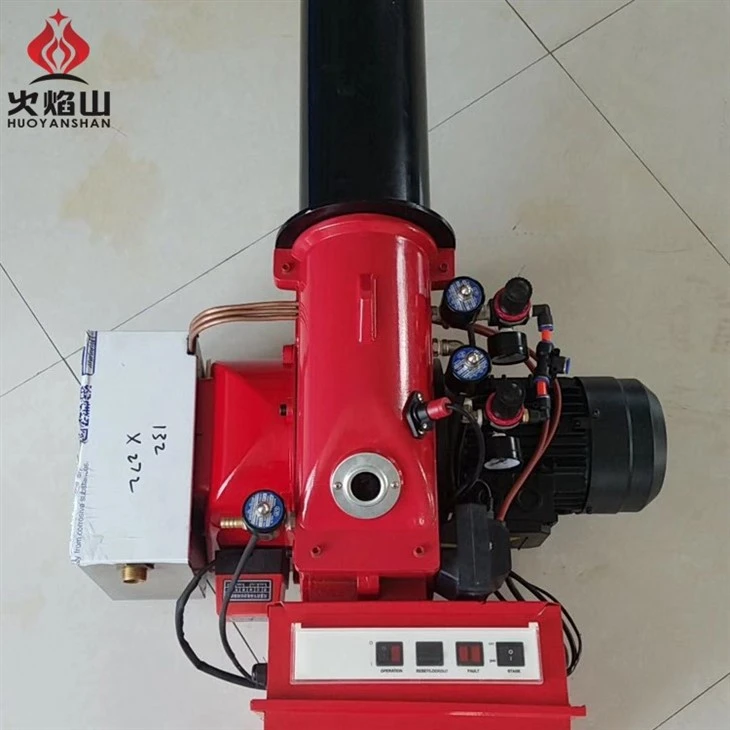
Let's start by talking about what heavy oil burners are. Heavy oil burners are devices designed to burn heavy fuel oils, which are denser and more viscous than lighter fuels like gasoline or diesel. These burners are commonly used in industrial settings, such as power plants, factories, and large heating systems, because heavy oil is relatively cheap and has a high energy content.
However, the use of heavy oil burners in residential areas is a bit more complicated. There are several factors to consider, including environmental impact, safety, and local regulations.
First, let's look at the environmental impact. Heavy oil contains a higher amount of sulfur and other pollutants compared to lighter fuels. When burned, it releases more particulate matter, sulfur dioxide, and nitrogen oxides into the atmosphere. These pollutants can have a negative impact on air quality, which can lead to health problems for residents, especially those with respiratory conditions like asthma or chronic obstructive pulmonary disease (COPD).
In addition, heavy oil burners can produce a significant amount of noise, which can be a nuisance to neighbors. The constant rumbling and humming of a burner can disrupt the peace and quiet of a residential area, making it unpleasant for people to live there.
Another important factor is safety. Heavy oil is flammable, and there is always a risk of fire or explosion if the burner is not properly installed or maintained. In a residential area, where houses are close together, a fire could spread quickly and cause significant damage to property and endanger lives.
Local regulations also play a crucial role in determining whether a heavy oil burner can be used in a residential area. Many cities and towns have strict rules regarding air quality, noise levels, and safety standards. These regulations are in place to protect the health and well - being of residents. Before installing a heavy oil burner in a residential area, it's essential to check with the local authorities to ensure that you are in compliance with all the relevant codes and regulations.
But here's the thing: not all heavy oil burners are created equal. There are some advanced heavy oil burners on the market that are designed to be more environmentally friendly and safer. For example, the Waste Fuel Oil Burner is a type of heavy oil burner that can recycle waste fuel oil, which not only reduces waste but also helps to lower fuel costs. These burners are equipped with advanced combustion technologies that can reduce emissions and improve efficiency.
Similarly, the Rotary Kiln Gas Burner is designed for specific industrial applications, but it also has features that can make it more suitable for use in areas with strict environmental requirements. It has precise control over the combustion process, which allows for better fuel utilization and lower emissions.
The Pyrolysis Machine Waste Oil Burner is another option. It uses waste oil from pyrolysis machines, which is a sustainable way to recycle waste. This burner also has advanced safety features to prevent accidents.
If you're considering using a heavy oil burner in a residential area, it's important to do your research and choose a burner that meets the necessary environmental and safety standards. You might also want to consult with a professional heating technician or engineer who can help you understand the requirements and make the right choice.
In some cases, it might be possible to use a heavy oil burner in a residential area if certain conditions are met. For example, if the burner is installed in a well - ventilated area away from homes and other buildings, and if it is equipped with proper emission control devices and noise reduction measures. In addition, if you can obtain all the necessary permits from the local authorities, you may be able to use a heavy oil burner legally.
But let's be honest, in most residential areas, the environmental and safety concerns are likely to outweigh the benefits of using a heavy oil burner. There are usually better alternatives available, such as natural gas or electric heating systems, which are cleaner, quieter, and generally safer.
However, I understand that there may be situations where heavy oil burners are the most practical or cost - effective option. If you think that a heavy oil burner could work for your residential needs, I'd love to have a chat with you. We can discuss your specific requirements and see if we can find the right solution for you. Whether it's choosing the most suitable burner model or ensuring compliance with local regulations, I'm here to help.

In conclusion, while it's not impossible to use a heavy oil burner in a residential area, it's a decision that should be made carefully, taking into account all the environmental, safety, and regulatory factors. With the right burner and proper installation and maintenance, it might be feasible, but in many cases, other heating options may be a better choice.
If you're interested in our heavy oil burners or want to learn more about how they can be used in different settings, don't hesitate to get in touch. We're always happy to answer your questions and help you make an informed decision.
References:
- Environmental Protection Agency reports on air quality and fuel emissions
- Local building and safety codes regarding heating systems
- Industry research on the performance and efficiency of heavy oil burners
