


1. Plastic pyrolysis converts plastic waste into pyrolysis oil, gas and residue.
- Depending on the quality of the plastic waste, the typical yields of plastic pyrolysis are:
- Pyrolysis oil: 50% to 80% - depending on the type and percentage of plastic in the plastic waste
- Pyrolysis gas: 20% to 35% - depending on the type and percentage of plastic in the plastic waste
- Pyrolysis residue: 3% to 30% - depending on the ash content and soil content in the plastic waste
- Wastewater: If there is moisture in the plastic waste, wastewater will be produced.
Not all plastic waste is the same. Depending on the source, the quality of plastic waste varies greatly in terms of plastic composition, moisture content and non-plastic content. Variations in the quality of plastic waste will result in variations in the quality and yield of pyrolysis oil.
2. The plastic pyrolysis reaction is the use of heat to break down larger plastic molecules into smaller oil, gas and carbon molecules. Pyrolysis is also called thermal cracking, pyrolysis, thermal decomposition, depolymerization, etc. When a catalyst is used, it can also be called catalytic pyrolysis.
3. What types of plastic waste are suitable for pyrolysis?
- Post-consumer plastics
- Municipal solid waste sorted plastics
- Mechanical recycling waste
- Multi-layer packaging
- Mixed PET/PVC contaminated plastics
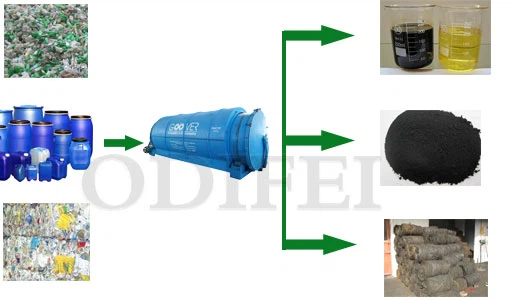
4. Steps involved in plastic pyrolysis:
- Plastic waste shredding
- Plastic waste drying
- Plastic waste pre-treatment to separate non-plastics
- Pyrolysis
- Pyrolysis oil distillation and purification
- Pyrolysis oil storage and dispatch
5. What are the key performance indicators for selecting plastic pyrolysis technology?
1. Safety first: During the pyrolysis process, flammable materials are heated to explosion temperatures. The slightest negligence can lead to danger and injury.
2. Energy efficiency: The energy efficiency of the plant determines the profitability of the pyrolysis operation.
3. Feedstock flexibility: Pyrolysis plants can process solids, semi-solids, waxes and liquids. You can process plastics, tires, biomass and waste oils in the same reactor. You can feed high-density feedstocks and low-density feedstocks. We understand that technology needs to be flexible to accommodate changes in feedstock composition.
