


An oil recycling machine is an essential piece of equipment in various industries, especially those dealing with large amounts of used oil. As a leading supplier of oil recycling machines, I am often asked about the working principle of these remarkable devices. In this blog post, I will delve into the details of how an oil recycling machine operates, highlighting the key processes and technologies involved.
Initial Collection and Pre - treatment
The process of oil recycling starts with the collection of used oil. Used oil can come from a variety of sources, such as automotive engines, industrial machinery, and power generation equipment. Once collected, the oil is transported to the recycling facility.
At the facility, the first step is pre - treatment. This step is crucial as it helps to remove large contaminants such as dirt, metal particles, and water from the used oil. A simple yet effective method is sedimentation, where the oil is allowed to stand in large tanks for a period of time. During this time, heavier particles and water sink to the bottom of the tank, and the relatively clean oil can be skimmed off the top.
Another important pre - treatment method is filtration. The oil is passed through a series of filters with different pore sizes. The larger particles are trapped in the initial filters, while finer filters can remove smaller contaminants. For more efficient solid - liquid separation, Horizontal Scraper Chain Conveyor can be used. It can transport the solid waste removed from the oil during the pre - treatment process, ensuring a smooth and continuous operation of the pre - treatment stage.
Distillation Process
After pre - treatment, the oil goes through the distillation process. Distillation is based on the principle that different components of the oil have different boiling points. The pre - treated oil is heated in a distillation unit.

As the temperature rises, the lighter components of the oil, such as gasoline and kerosene, start to vaporize at their respective boiling points. These vapors are then condensed by passing them through a cooling system, usually a condenser. The condensed liquid is then collected as a purified product.
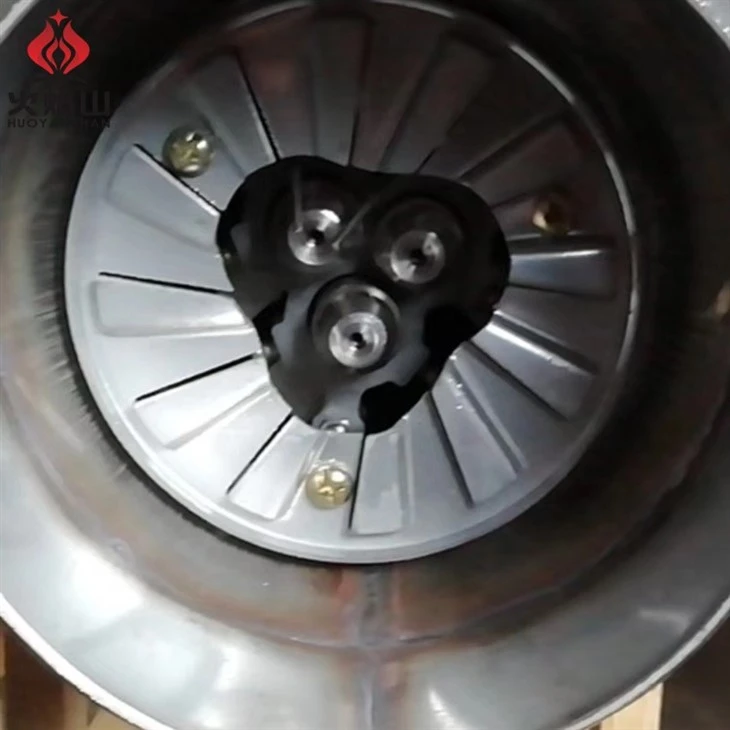
Subsequently, the temperature is further increased to vaporize the heavier components, like diesel and heavy fuel oil. This step - by - step vaporization and condensation process allows for the separation of different fractions of the oil. To provide the heat required for distillation, burners play a vital role. Our Methanol Gas Burner is a great choice for the distillation process. It provides stable and efficient combustion, ensuring that the oil reaches the appropriate temperature for distillation.
De - coloring and De - odorizing
After distillation, the recycled oil may still have some color and odor. To improve its quality and appearance, de - coloring and de - odorizing processes are carried out.
Activated carbon is commonly used for de - coloring. The oil is passed through a bed of activated carbon, which has a large surface area with many pores. The colored impurities in the oil are adsorbed onto the surface of the activated carbon. As a result, the oil becomes clearer and less colored.
For de - odorizing, various chemical agents can be used. These agents react with the odor - causing compounds in the oil, either by neutralizing them or converting them into less - odorous substances. In some cases, steam stripping can also be employed, where steam is passed through the oil to remove volatile odor - causing compounds.
Refining and Final Treatment
The final stage of the oil recycling process is refining and final treatment. This step aims to further improve the quality of the recycled oil to meet specific industry standards.
Additives are often added to the oil. These additives can enhance the oil's performance in different ways. For example, anti - oxidants are added to prevent the oil from oxidizing and deteriorating over time. Detergents are used to keep the engine or machinery clean by preventing the formation of deposits.
The oil is also subjected to a final quality check. Various tests are conducted, including viscosity measurement, flash point determination, and analysis of chemical composition. Only when the oil meets the required quality standards can it be considered a finished product.
Role of Heavy Oil Burners in the Process
In some oil recycling machines, especially those dealing with heavy oil recycling, Rotary Furnace Heavy Oil Burner plays a significant role. Heavy oil has a high viscosity and is difficult to burn directly. The rotary furnace heavy oil burner is designed to atomize the heavy oil into fine droplets, which can then be burned more efficiently.
The burner uses a combination of mechanical and pneumatic forces to break up the heavy oil. The atomized heavy oil is then mixed with air and ignited in the furnace. The high - temperature combustion in the furnace provides the energy needed for the distillation and other processes in the oil recycling machine.
Importance of Oil Recycling
The working principle of an oil recycling machine is closely related to the importance of oil recycling. Recycling oil helps to conserve natural resources. Instead of relying solely on the extraction of new crude oil, recycled oil can be reused in various applications, reducing the demand for virgin oil.
It also has environmental benefits. Improper disposal of used oil can cause serious pollution to soil and water. By recycling oil, we can minimize the environmental impact of used oil and contribute to a cleaner and greener planet.
Contact for Purchase and Consultation
If you are interested in our oil recycling machines, we are more than happy to provide you with detailed information and support. Our machines are designed with the latest technologies and high - quality materials to ensure efficient and reliable operation. Whether you are a small - scale business or a large industrial enterprise, we have the right oil recycling solution for you. Please contact us for a consultation and let's discuss how our products can meet your specific needs.
References
- "Petroleum Refining Processes: Principles, Economics, and Future Outlook" by Chemical Industry Press.
- "Environmental Science: Toward a Sustainable Future" by Prentice Hall.
