


Hey there! As a conveyor supplier, I often get asked about the maintenance schedule for conveyors. It's a crucial topic because a well - maintained conveyor can significantly boost efficiency, cut down on downtime, and save you a ton of money in the long run. So, let's dive right into it and break down what a proper maintenance schedule for a conveyor should look like.
Daily Checks
First off, daily checks are super important. They're like a quick health check - up for your conveyor. Every morning before you start up the conveyor, take a few minutes to visually inspect it. Look for any obvious signs of wear and tear, like loose belts, frayed edges, or damaged rollers. You should also check for any debris that might have accumulated on the conveyor surface or in the mechanisms.
Another key daily check is the tension of the conveyor belt. A belt that's too loose can slip, causing inefficiencies and potentially damaging the belt itself. On the other hand, a belt that's too tight can put extra stress on the motor and other components. You can usually adjust the tension using the tensioning device on the conveyor.
Also, listen to the conveyor as it runs. Any unusual noises, like squealing, grinding, or rattling, can be a sign of a problem. If you hear anything out of the ordinary, stop the conveyor right away and investigate. It could be something as simple as a loose part or as serious as a failing motor.
Weekly Maintenance
Once a week, it's time for a more in - depth look at your conveyor. Start by cleaning the conveyor thoroughly. Use a soft brush or a vacuum to remove any dust, dirt, or debris that has built up. Pay special attention to the areas around the rollers and pulleys, as these are common places for debris to accumulate.
Check the lubrication of the moving parts. Most conveyors have bearings, chains, and other moving parts that need to be lubricated regularly. Make sure to use the right type of lubricant recommended by the manufacturer. Over - lubrication can be just as bad as under - lubrication, so follow the guidelines carefully.
Inspect the electrical components of the conveyor. Look for any loose connections, frayed wires, or signs of overheating. Electrical problems can be dangerous, so it's important to address them as soon as possible. If you're not comfortable working with electrical systems, it's best to call in a professional.
Monthly Maintenance
Monthly maintenance is a bit more involved. At this point, you should perform a more detailed inspection of the conveyor structure. Check for any signs of corrosion, cracks, or other structural damage. If you find any issues, it's important to repair them right away to prevent further damage.
Test the safety features of the conveyor. This includes emergency stop buttons, safety guards, and any other safety devices. Make sure they're all in working order and that employees know how to use them. Safety should always be a top priority when it comes to conveyor operation.
You should also check the alignment of the conveyor belt. A misaligned belt can cause uneven wear, reduce efficiency, and even lead to belt failure. Use a straightedge or a laser alignment tool to check the alignment and make any necessary adjustments.
Quarterly and Annual Maintenance
Quarterly and annual maintenance are the big - ticket items. Every quarter, you should perform a comprehensive performance check of the conveyor. This includes measuring the speed, power consumption, and other performance metrics. Compare these results to the manufacturer's specifications to make sure the conveyor is operating at peak efficiency.

Annually, it's time for a major overhaul. This may involve replacing worn - out parts, such as belts, rollers, and bearings. You should also have the motor and other major components serviced by a professional. An annual overhaul can extend the lifespan of your conveyor and keep it running smoothly for years to come.
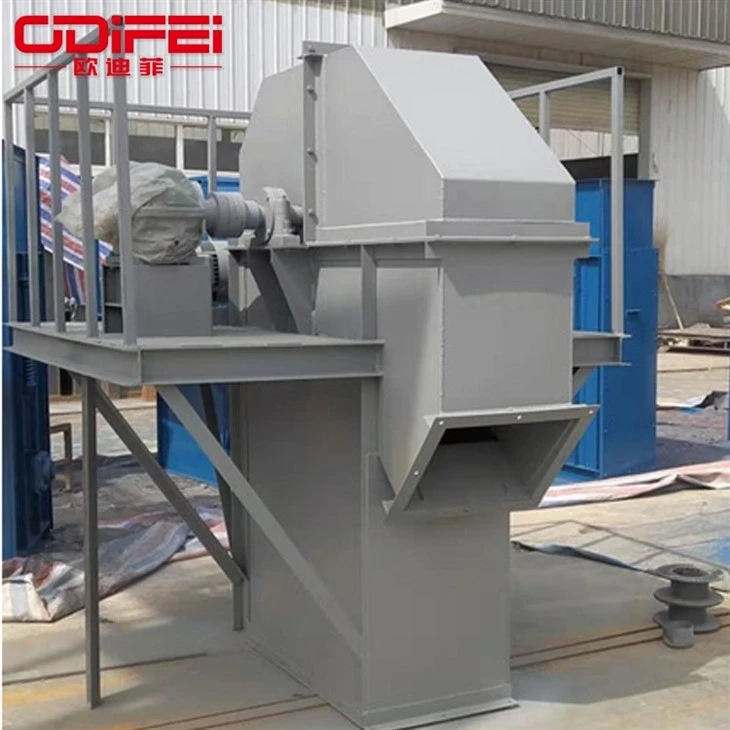
Now, let me tell you a bit about some of the products we offer as a conveyor supplier. We have a great 300 Type Dry Mortar with Bucket Elevator. This conveyor is designed specifically for handling dry mortar, and it's built to last. It has a high - capacity bucket elevator that can move large amounts of material quickly and efficiently.
We also have the Waste Oil Distillation To Diesel system. This isn't a traditional conveyor, but it's an important part of many industrial processes. It can convert waste oil into diesel fuel, which is not only environmentally friendly but also cost - effective.
And if you're in the business of recycling waste plastic, our Industrial Waste Plastic Crusher Machine is a great option. It can crush large pieces of waste plastic into smaller, more manageable pieces, making it easier to recycle.
If you're interested in any of our products or have questions about conveyor maintenance, don't hesitate to reach out. We're here to help you keep your operations running smoothly and efficiently. Whether you need a new conveyor or just some advice on maintenance, we've got you covered.
References
- Conveyor Manufacturer's Manuals
- Industrial Maintenance Best Practices Guides
- Safety Standards for Conveyor Systems
