


Hey there! As a supplier in the waste oil to diesel conversion game, I get a bunch of questions about how to source waste oil for this process. It's a crucial step, and I'm here to share some tips and insights based on my experience.
First off, let's talk about why waste oil sourcing is so important. Waste oil is a valuable resource, and converting it into diesel can reduce our reliance on fossil fuels. It's also a great way to recycle and reduce environmental pollution. But finding a steady supply of good - quality waste oil can be a bit of a challenge.
1. Local Garages and Auto - repair Shops
One of the most obvious sources of waste oil is local garages and auto - repair shops. These places change the oil in cars, trucks, and other vehicles on a regular basis, and they end up with a significant amount of used oil.
I've found that building relationships with these businesses is key. You can start by introducing yourself, explaining your business and the benefits of recycling their waste oil. Many garages are already required by law to dispose of waste oil properly, so offering a recycling solution is usually well - received.
For example, you could offer to pick up the waste oil for free or at a very low cost. Some garages might even be willing to pay you to take it off their hands, especially if it saves them the hassle of proper disposal. This way, it's a win - win situation. They get rid of their waste, and you get a reliable source of waste oil.

2. Industrial Facilities
Industrial facilities are another great source of waste oil. Factories, manufacturing plants, and other industrial operations often use a lot of oil in their machinery. This oil eventually becomes contaminated or used up and needs to be replaced.
When approaching industrial facilities, it's important to understand their specific needs and concerns. Some industries might have strict regulations regarding the disposal of waste oil, and you need to make sure you can meet those requirements.
You can offer them a comprehensive waste oil management solution. This could include regular pick - ups, proper storage, and documentation of the recycling process. By providing a professional and reliable service, you'll be more likely to secure a long - term supply of waste oil from these facilities.
3. Restaurants and Food Processing Plants
Waste cooking oil from restaurants and food processing plants can also be used for diesel conversion. This type of waste oil is known as yellow grease. It's usually generated from frying and cooking operations.
The advantage of sourcing yellow grease is that there's a relatively large quantity available in urban areas. However, it's important to note that yellow grease requires a different conversion process compared to engine oil.
To source yellow grease, you can talk to the owners or managers of restaurants and food processing plants. Explain the benefits of recycling their waste cooking oil, such as reducing their waste disposal costs and contributing to a more sustainable environment. You might also need to invest in some equipment to collect and filter the yellow grease properly.
4. Online Platforms and Directories
In today's digital age, online platforms and directories can be a useful tool for waste oil sourcing. There are websites and apps that connect waste oil generators with recyclers.
You can create a profile on these platforms, highlighting your business and the services you offer. This makes it easier for waste oil producers to find you. You can also search for potential suppliers in your area using these platforms. It's a convenient way to expand your sourcing network and connect with new businesses.
5. Networking and Industry Events
Attending networking events and industry conferences related to waste management and recycling can be a great way to source waste oil. These events bring together waste oil generators, recyclers, and other industry professionals.
You can meet potential suppliers face - to - face, learn about their needs, and build relationships. Many business deals are made at these events, so it's worth investing the time and effort to attend. You might even get some valuable insights into new sourcing opportunities or industry trends.
Equipment for Waste Oil Handling
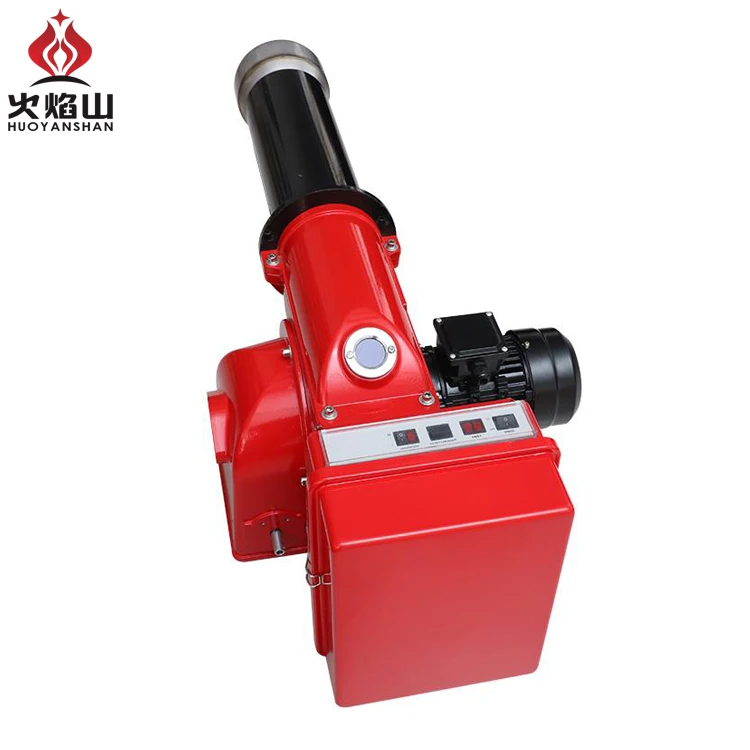
Once you've sourced the waste oil, you'll need the right equipment to handle and process it. For instance, a Rotary Kiln Gas Burner can be used in some of the more advanced waste oil to diesel conversion processes. It helps in the efficient combustion of the waste oil, which is a crucial step in the conversion.
A Small Waste Oil Refinery Machine is also essential if you're looking to refine the waste oil into diesel. These machines are designed to remove impurities and contaminants from the waste oil, producing high - quality diesel fuel.
And if you need to move the waste oil around your facility, a Sidewall Belt Conveyor can be very useful. It allows for easy and efficient transportation of the waste oil within your premises.
Ensuring Quality and Quantity
When sourcing waste oil, it's important to ensure both the quality and quantity of the supply. You need to have a system in place to test the waste oil for impurities and contaminants. This will help you determine if the oil is suitable for diesel conversion.
In terms of quantity, you need to have a reliable supply to keep your production running smoothly. This might involve negotiating long - term contracts with your suppliers or having multiple suppliers to diversify your risk.
Dealing with Challenges
There are some challenges you might face when sourcing waste oil. For example, some suppliers might have inconsistent quality or quantity. You also need to deal with competition from other waste oil recyclers.
To overcome these challenges, you need to be proactive. Build strong relationships with your suppliers, offer better services than your competitors, and constantly monitor and improve your sourcing processes.
Conclusion
Sourcing waste oil for diesel conversion is a multi - faceted process. By exploring different sources such as local garages, industrial facilities, restaurants, and using online platforms and networking events, you can build a reliable supply chain. Investing in the right equipment is also crucial for handling and processing the waste oil.
If you're in the market for waste oil to diesel conversion solutions or interested in sourcing waste oil, we're here to help. Our team has the expertise and experience to assist you with all your needs. Whether you're a small - scale recycler or a large - scale industrial operation, we can work with you to find the best solutions. Reach out to us for more information and let's start a conversation about your procurement needs.
References
- Johnson, R. (2020). Waste Oil Recycling: A Practical Guide. Green Publishing.
- Smith, A. (2019). Diesel Conversion from Waste Oil: Processes and Technologies. Energy Solutions Press.
- Brown, L. (2021). Sustainable Waste Oil Management in the 21st Century. Environmental Insights Publications.
