


Environmental issues have always been a concern in modern life. A waste tire pyrolysis plant converts waste tires into fuel oil, which helps prevent waste tire pollution. Perhaps you are interested in knowing whether the waste tire pyrolysis plant process produces secondary pollution. Short answer: No, it is harmless if it is operated correctly.
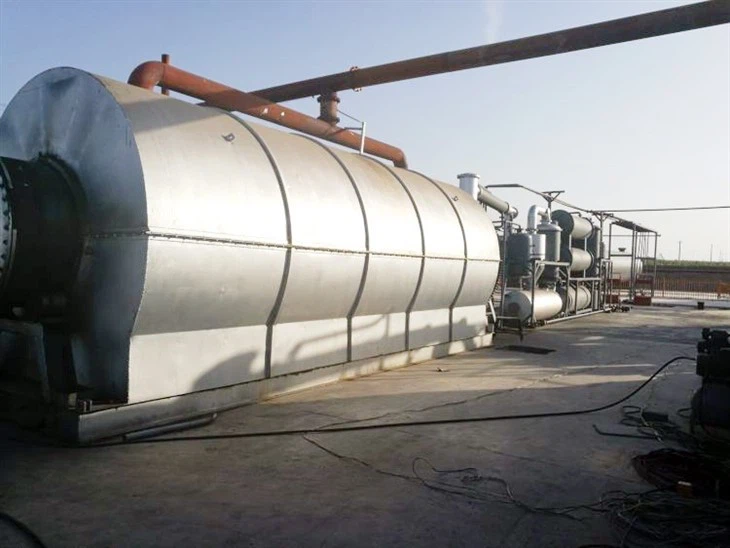
First, let's explore why production plants are harmful to the environment.
Incomplete pyrolysis
Even with clean logs, partial pyrolysis can lead to the production of dioxins, hexanes, and furans if the gas treatment at the outlet is not adequate. If this happens due to substandard quality control, the syngas must be burned at high temperatures before it is discharged. This prevents any harmful substances from leaving the plant.
No gas recovery
Almost all syngas produced by pyrolysis processes must be recycled. Without recycling, pyrolysis will consume a lot of fuel. Most technologies have achieved this goal to save money and protect the environment. But those that do not recycle the syngas, such as small home-grown technologies or ancient systems, let these gases escape and contribute to climate change. This means that instead of being carbon neutral, atmospheric emissions could be doubled, partly due to the use of fossil fuels and partly due to avoiding the use of the fuels produced. So even if they produce biochar, common household pyrolysis systems or ancient technologies that are often considered good for the environment may actually be harmful to the environment.
High Oxygen Inlet
By definition, pyrolysis is the heating of carbonaceous materials in almost no oxygen conditions. The process can recover and use carbon in the solid, liquid and or gas phases. In some technologies, the pyrolysis process may include a specific amount of oxygen. When large amounts of oxygen enter the process at very high temperatures, we call it combustion or incineration. This is not pyrolysis. At this point, the high-energy byproducts produced in the form of solids or gases are simply burned, and the energy is wasted unless it is recovered to produce electricity or other forms of energy. All the carbon in the feedstock is released into the environment during the combustion and incineration process, mainly as carbon dioxide. Therefore, using this energy is essential to balance the gas emissions to the atmosphere.
Tire Pyrolysis Explosion
If a technology accidentally causes a burst of oxygen in the system due to defects or operation, there is a risk of explosion. To deal with this situation, most modern systems have safety features (usually three or more).
Improper Storage and Transportation
From another perspective, care must be taken when handling, storing, and transporting charcoal or other liquids such as oil, tar, and wood vinegar. Since charcoal is often flammable, leaving it in exposed containers or even stacked outdoors can cause fires. It is well known that flames cause pollution, in part because they emit particles that can harm human and animal health. Black carbon, charcoal, biochar, and biocoal all produce a lot of dust. Although not immediately harmful, airborne particles can contribute to smog and pollution. Therefore, tire pyrolysis products should be handled, processed, stored, and transported in a way that is safe for the environment and people.
Conclusion
Tire pyrolysis is gaining popularity as a safe, effective, and environmentally friendly method of recycling used tires. It is a circular solution that can solve the tire waste problem while providing a high-demand input for many industries. Tire pyrolysis promotes circularity, replaces fossil feedstocks with sustainable alternatives, and reduces the environmental impact of the process.
