


Hey there! As a supplier of elevator conveyors, I've been through my fair share of installation gigs, and let me tell you, installing these things in a complex layout is no walk in the park. In this blog, I'm gonna break down the main challenges we often face and how we deal with 'em. So, if you're thinking about getting an elevator conveyor for your place, this info will be super helpful.
Space Constraints
One of the biggest headaches we run into is dealing with tight spaces. You see, a lot of industrial sites or warehouses have these really complex layouts, with machinery, storage areas, and all sorts of obstacles jumbled up. And when we come in to install an elevator conveyor, we're often fighting for every inch of space.
For example, we once had a job at a manufacturing plant where the floor was filled with production equipment. There were only small gaps here and there, and we had to figure out a way to fit this relatively large elevator conveyor into these tight spots. It meant getting creative with the design and installation process. We sometimes had to custom - build parts of the conveyor to make it more compact and maneuverable. It was like trying to fit a square peg into a round hole, but with a whole lot more engineering know - how.
Another issue is vertical space. Some buildings have low ceilings or a lot of overhead pipes and ducts. An elevator conveyor needs a certain amount of vertical clearance to operate safely and efficiently. If there isn't enough space, we have to either modify the conveyor design to be more low - profile or, in some cases, make changes to the building's structure. And you can imagine how complicated and costly that can get!
Structural Compatibility
The existing structure of a building plays a huge role in elevator conveyor installation. A complex layout often means that the building's support beams, columns, and floors might not be in the ideal spot or might not be strong enough to hold the weight of the conveyor.
We've had to do a lot of on - site structural assessments. For instance, if the conveyor is supposed to be installed on a mezzanine floor, we need to figure out if the floor can handle the static and dynamic loads. The weight of the conveyor itself, plus the materials it'll be moving, can put a significant strain on the structure.
In some cases, we've had to work with structural engineers to reinforce the building. This might involve adding extra support columns, strengthening the floor joists, or modifying the beam connections. It's a time - consuming process that requires careful planning and coordination. And if we don't get it right, there could be serious safety risks down the line.
Electrical and Control System Integration
The electrical and control systems of an elevator conveyor are crucial for its proper functioning. But in a complex layout, integrating these systems can be a real pain.
First off, the electrical infrastructure in older buildings or those with a complex layout might not be up to par. There could be issues with the power supply, such as insufficient voltage or unreliable circuits. We have to work with electricians to upgrade the electrical system, which can involve running new wires, installing transformers, and ensuring proper grounding.
Then there's the control system. An elevator conveyor needs to be synchronized with other equipment in the facility, such as Grain Belt Conveyor. In a complex layout, there are often multiple machines and processes that need to communicate with each other. We have to program the control system to ensure seamless operation, which can be a real challenge. There are also issues with signal interference, especially in areas with a lot of electrical equipment.
Access and Logistics
Getting the elevator conveyor components to the installation site and then maneuvering them into place is another major challenge. In a complex layout, access points can be limited. There might be narrow doorways, tight corridors, or multiple levels that make it difficult to move large and heavy components.
We've had to use all sorts of creative solutions, like disassembling the conveyor into smaller parts and then reassembling it on - site. But this adds extra time and labor to the installation process. And sometimes, we still run into problems getting the parts through small openings or around sharp corners.
Transporting the conveyor also requires careful planning. If the site is located in an area with difficult terrain or traffic congestion, it can delay the delivery of components. And once the parts arrive, we need a place to store them safely until installation. In a complex layout, finding suitable storage space can be just as hard as finding space for the conveyor itself.
Regulatory and Safety Requirements
Every installation project has to comply with a bunch of regulatory and safety requirements. In a complex layout, meeting these standards can be even more challenging.
The layout might make it difficult to provide proper emergency exits and access for maintenance. We have to ensure that there is enough clearance around the conveyor for workers to operate safely and be able to escape in case of an emergency. There are also regulations regarding fire safety, noise levels, and dust control.
For example, if the elevator conveyor is installed in a food processing facility, there are strict hygiene and sanitation regulations to follow. We have to make sure that the conveyor is designed and installed in a way that prevents the buildup of dirt and bacteria. And if the conveyor is in an area with explosion - proof requirements, like in the oil and gas industry where Oil and Gas Dual - Purpose Burner or Rotary Furnace Heavy Oil Burner are used, we have to take extra precautions to prevent any ignition sources.

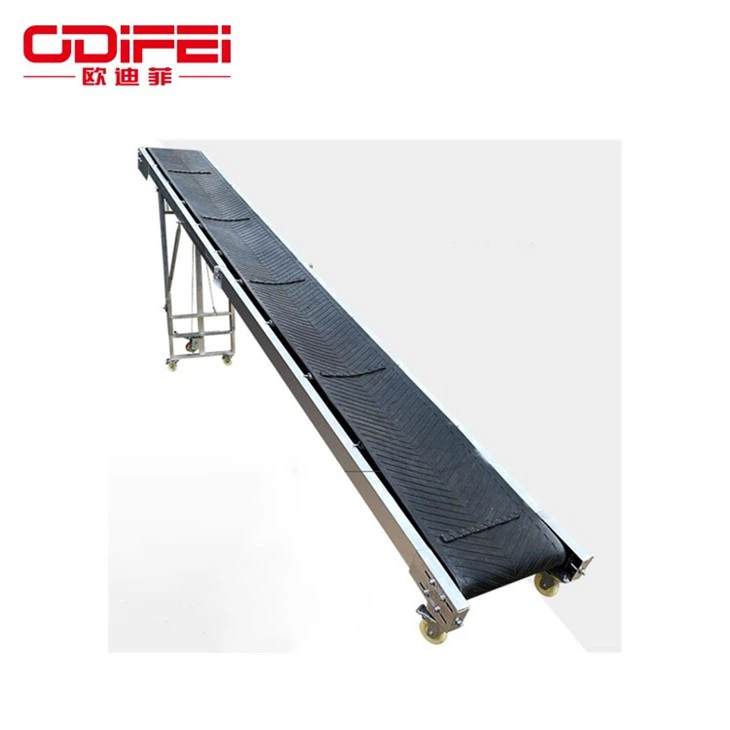
Solutions and Workarounds
Despite all these challenges, we've come up with some effective solutions. First of all, detailed planning is key. We start by doing a thorough site survey to understand the layout, structural integrity, and electrical systems of the building. This helps us identify potential problems early on and come up with a customized installation plan.
We also work closely with other professionals, like structural engineers, electricians, and safety experts. Their expertise can be invaluable in overcoming the various challenges we face. For example, an engineer can help us design a conveyor that fits the available space and meets the structural requirements.
When it comes to access and logistics, we use advanced lifting and moving equipment. We also train our installers to handle complex installation scenarios. And for regulatory and safety requirements, we stay up - to - date with the latest regulations and ensure that our installation processes are always in compliance.
Conclusion
So, as you can see, installing an elevator conveyor in a complex layout is a multi - faceted challenge. It involves dealing with space constraints, structural compatibility, electrical and control system integration, access and logistics, and regulatory and safety requirements. But with the right approach and a team of experienced professionals, we can overcome these challenges and provide a reliable and efficient elevator conveyor for your facility.
If you're in the market for an elevator conveyor and have a complex layout, don't hesitate to reach out. We're here to help you navigate through all these challenges and get the best conveyor system for your needs. Let's start a conversation and see how we can make your project a success.
References
- Industry standards for elevator conveyor installation
- Building codes and regulations for industrial facilities
- Case studies of previous elevator conveyor installations in complex layouts
